Previous article
Gold rebounds above $4,300 after Fed rate hike; dollar weakens
Economy
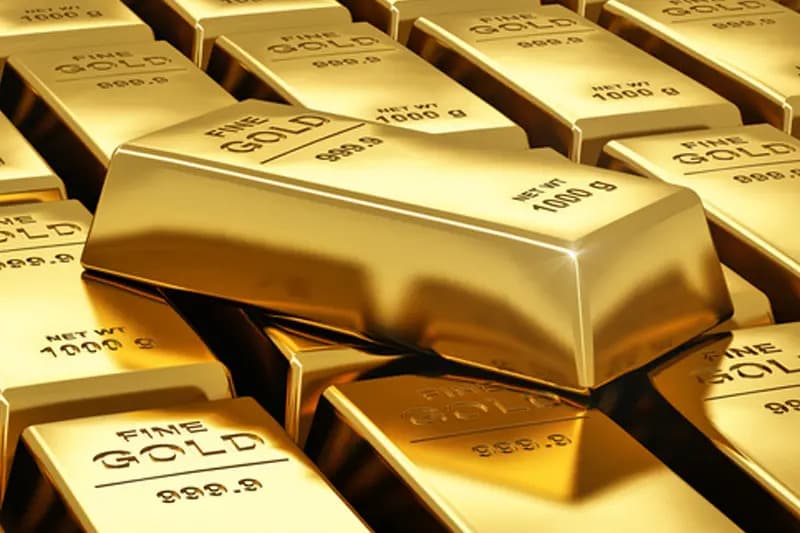
Spot gold recovered despite the Fed's "hawkish" outlook, while the dollar weakened slightly.
Gold prices rebounded on Thursday, climbing back above $4,300 per ounce, after the Federal Reserve raised interest rates for the first time in three years and signaled that another hike could occur before the end of the year.
As of 08:42 Moscow time, XAU/USD had risen 0.7% to $4,295.18 per ounce, while gold futures fell 1.2% to $4,333.09. XAG/USD gained 1.1% to $63.68 per ounce, and XPT/USD rose 1.5% to $1,781.83. The US Dollar Index edged down to 100.28.
Fed raises rates and signals further tightening
The Federal Open Market Committee unanimously raised the federal funds rate by 25 basis points on Wednesday, in line with market expectations.
The Fed's median forecast for the key interest rate at the end of 2026 rose to 4.1% from the previous 3.8%, indicating support for further rate hikes.
Markets interpreted the statement as "hawkish." Treasury yields fell across the curve following the decision, while the dollar strengthened.
Higher interest rates typically put pressure on gold, as the precious metal does not yield interest. A stronger dollar can also weigh on the metal by making it more expensive for buyers using other currencies. Technical outlook remains under pressure
Tony Sycamore, a senior market analyst at IG, stated that expectations for another Federal Reserve rate hike later this year, followed by a further 50-basis-point increase in the first half of 2027, have intensified the headwinds facing gold.
From a technical perspective, he noted that gold needs to reclaim its 200-day moving average near $4,539 to signal the end of the pullback from the $4,697 high and a resumption of the broader uptrend.
Until then, Sycamore expects the current decline to potentially extend to $4,200, with $4,000 serving as the next key support level.
Fed Chair Kevin Warsh reiterated the central bank's concerns regarding inflation during his post-meeting briefing. He noted that too many categories of goods and services continue to show year-over-year price growth exceeding 3% over both six-month and twelve-month periods.