Previous article
Citi shifts Fed rate cut forecast to june 2027
Economy
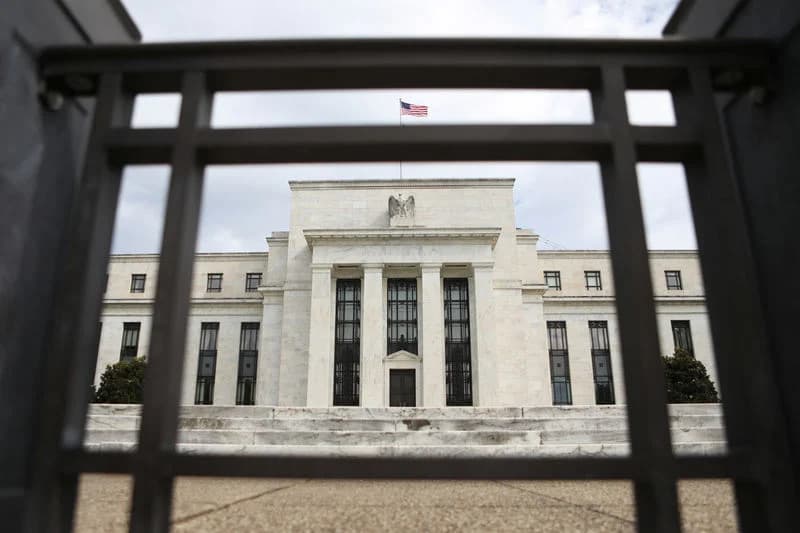
Citigroup has shifted its forecast for the Fed to resume interest rate cuts to June 2027, after a stronger-than-expected August employment report reduced the need for short-term monetary easing.
Citi now expects rate cuts of 25 basis points in June, September, and December 2027, down from its previous forecast of cuts in October and December 2026 and January 2027, according to a research note from Citi economists Andrew Hollenhorst and Veronica Clark.
The forecast revision follows Friday's U.S. jobs report, which showed employers added 162,000 jobs in August—significantly more than the roughly 56,000 economists had expected. The unemployment rate remained at 4.1%, and labor force participation rebounded, supporting the conclusion that overall labor market stability remains strong.
Citi previously expected the unemployment rate to rise significantly over the summer, similar to trends in 2024 and 2025. However, this increase failed to materialize in 2026, eliminating one of the bank's key arguments for starting rate cuts this year.
The bank noted that its second argument for the Fed's dovish stance remains valid: slowing core inflation, wage growth, and consumer price inflation should ultimately allow the Fed to ease monetary policy. Citi expects the core Consumer Price Index (CPI) to rise 0.18% month-on-month, which, according to the bank, will allow the Fed to keep rates unchanged at its September 15-16 meeting. Additionally, the bank expects a significant downward revision to the core Personal Consumption Expenditures (PCE) index later this month, which could trigger a more lenient adjustment to the Fed's forecasts in the Economic Outlook Summary.
However, the currently stronger labor market means the Fed can focus more on inflation rather than employment support. Following the release of the employment report, market expectations have shifted sharply: Federal Funds rate futures peg the probability of a 25 basis point Fed rate hike at the September meeting at about 61%, up from 52% before the release.
This makes next week's inflation data particularly important. Economists expect the core Consumer Price Index for August to rise 0.4% month-on-month, while core CPI is forecast to increase 0.2%; producer prices are also expected to rise 0.4%. Investors will be watching these data for evidence of whether disinflation is continuing or whether persistent price pressures could give the Fed reason to keep rates elevated longer.