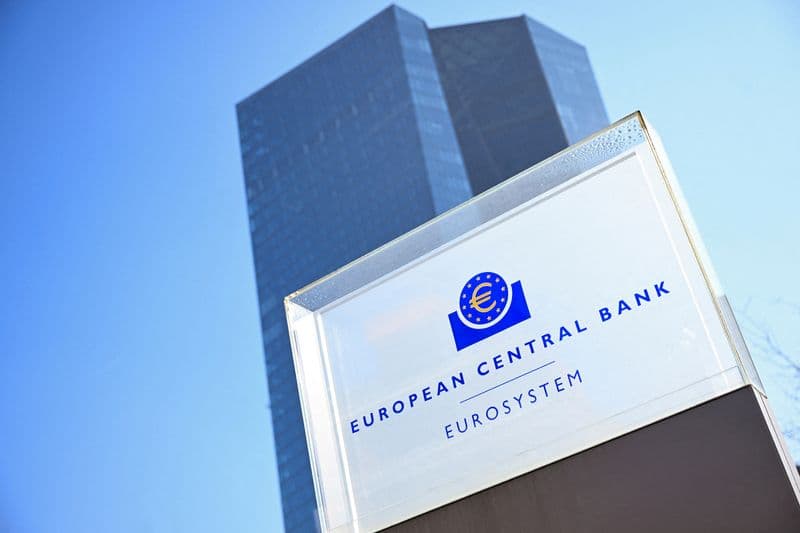
The European Central Bank (ECB) voted on Thursday to raise its key deposit rate by 25 basis points to 2.50%, as expected
The decision is based on ongoing pressure resulting from the surge in energy prices linked to the Middle East conflict.
Brent crude, the global oil benchmark, climbed back above $100 a barrel this week amid renewed hostilities between the US and Iran. Investors are questioning how long the conflict—now in its seventh month—will keep the critical Strait of Hormuz effectively closed to tanker traffic.
Before the war began in late February, roughly one-fifth of global oil and liquefied natural gas supplies passed through the strait, making it a vital artery for global shipping. This has left the eurozone—a major fuel importer—vulnerable, with gas prices in the 21-member currency bloc overseen by the ECB recently hitting their highest levels since 2023.
Investors had anticipated that the ECB—which raised rates in June before holding them steady in July—would tighten policy again to underscore its commitment to curbing inflation. In theory, raising rates can dampen price growth, albeit at the risk of negatively impacting the broader economy.
In its statement, the ECB warned that the Middle East conflict "continues to generate inflationary pressure" and that inflation would remain well above the 2% target "for an extended period." Describing the statement as "relatively hawkish," Capital Economics analysts, including Andrew Kenningham, said they now "see another rate hike as likely" in 2026. Traders are also pricing in another rate hike by this time next year, along with a 40% probability of further increases.
The decision is based on ongoing pressure resulting from the surge in energy prices linked to the Middle East conflict.
Speaking at the post-decision press conference, ECB President Christine Lagarde noted that the "energy shock" caused by the war in Iran could intensify further, and its knock-on effects on other prices and wages could be stronger than anticipated.
Nevertheless, Lagarde described the Eurozone economy as "resilient," citing a strong labor market and a recovering services sector—a crucial part of the economy. She stated that this resilience is expected to persist into the third quarter of this year.
Following the ECB's statement, the yield on benchmark 10-year German bonds held near its highest level since the Eurozone economic crisis of 2011, while the yield on 10-year French bonds hovered near a post-2008 peak.