Previous article
Bessent warns of market risks from Yen volatility
Economy
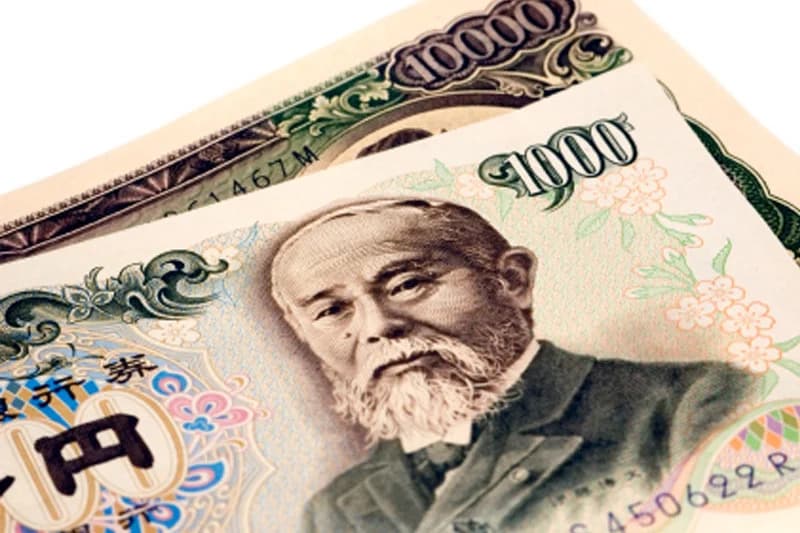
Bessent noted that the US Treasury Department intervened by exchanging foreign exchange assets from the Exchange Rate Stabilization Fund (ESF) for yen.
US Treasury Secretary Scott Bessent warned that disordered volatility in the Japanese yen could trigger forced market liquidations that could destabilize global financial markets and raise borrowing costs for American households and businesses, according to official correspondence released on Friday.
According to Reuters, Bessent outlined these risks in a letter dated August 27 to Democratic Senator Elizabeth Warren, which was published on his X page (formerly Twitter, blocked in Russia) the following day. The letter was a response to Warren's request for a detailed explanation of the joint currency intervention conducted by Washington and Tokyo late last month.
The letter's publication coincided with renewed pressure on the Japanese currency, despite market expectations of a possible rate hike by the Bank of Japan in the near future.
Defending the decision to cooperate with Tokyo to counter the disorderly depreciation, Bessent noted that the US Treasury Department intervened by swapping foreign exchange assets from the Exchange Rate Stabilization Fund (ESF) for yen.
"The best crisis is the one avoided," Bessent wrote in the letter.
He drew a direct parallel with the Treasury Department's previous stabilization measures, citing the reserve fund's historical role in international markets.
"The same principle was applied in Argentina, where the Treasury Department used the Exchange Rate Stabilization Fund to support Argentina during a time of acute short-term liquidity shortage and prevent the problem from spreading to the entire region," Bessent stated.
The ESF is a reserve fund directly managed by the US Treasury Department and designed to maintain stability in foreign exchange and domestic financial markets. Last year, the Treasury Department used the fund to support the Argentine peso market and establish a $20 billion currency swap facility to stabilize the currency. Japan and the United States conducted a rare joint yen purchase operation on July 31 to stem the sharp selloff in the yen and Japanese government bonds, seeking to prevent the crisis from spreading systemically to broader global asset classes.
While the intervention initially helped the yen recover from a 40-year low near 164 to the dollar to 155.20, the currency has since given up those gains and returned to near 160.
On Friday, the yen briefly dipped below 160 to the dollar—a level closely watched by market participants as a key trigger for possible central bank intervention—after statements by Federal Reserve Chairman Kevin Warsh revived expectations of an imminent interest rate hike in the United States.